City Council
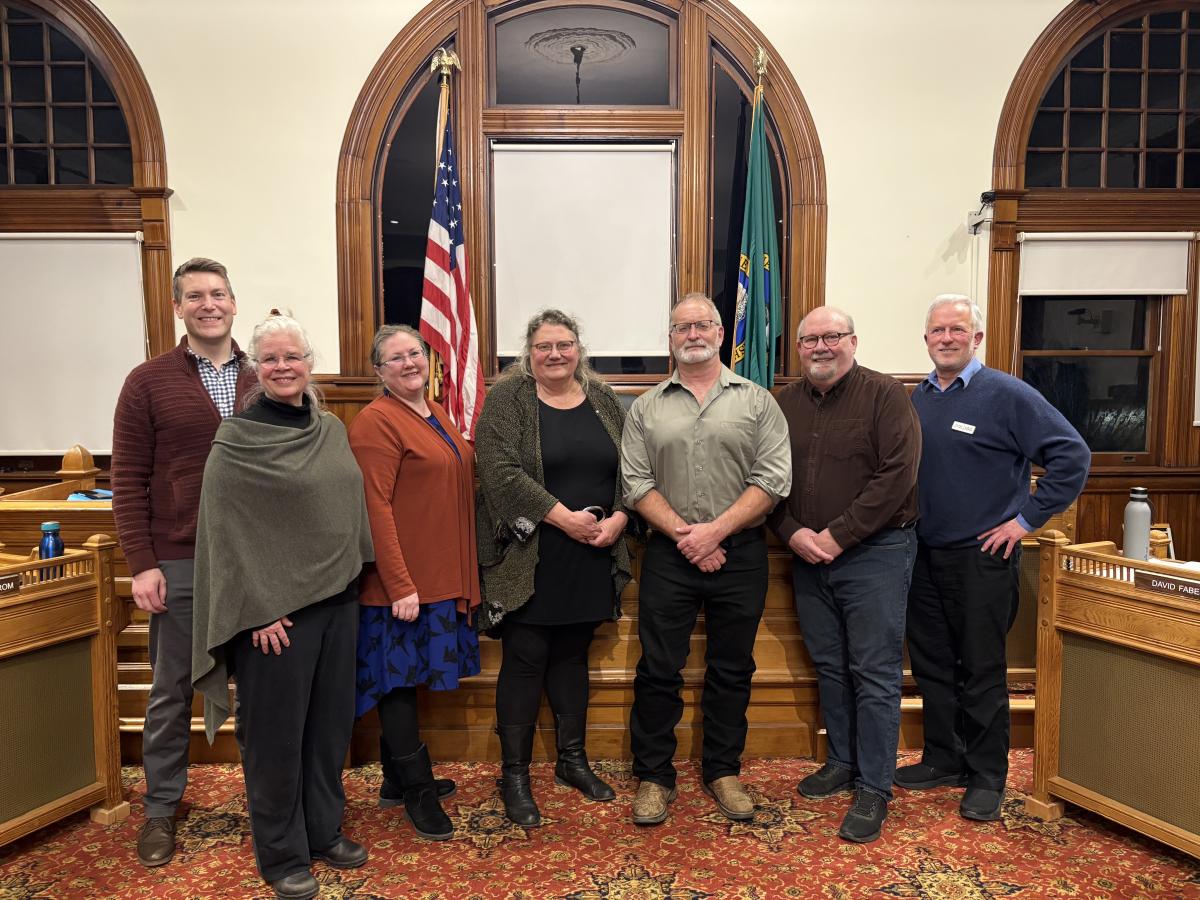
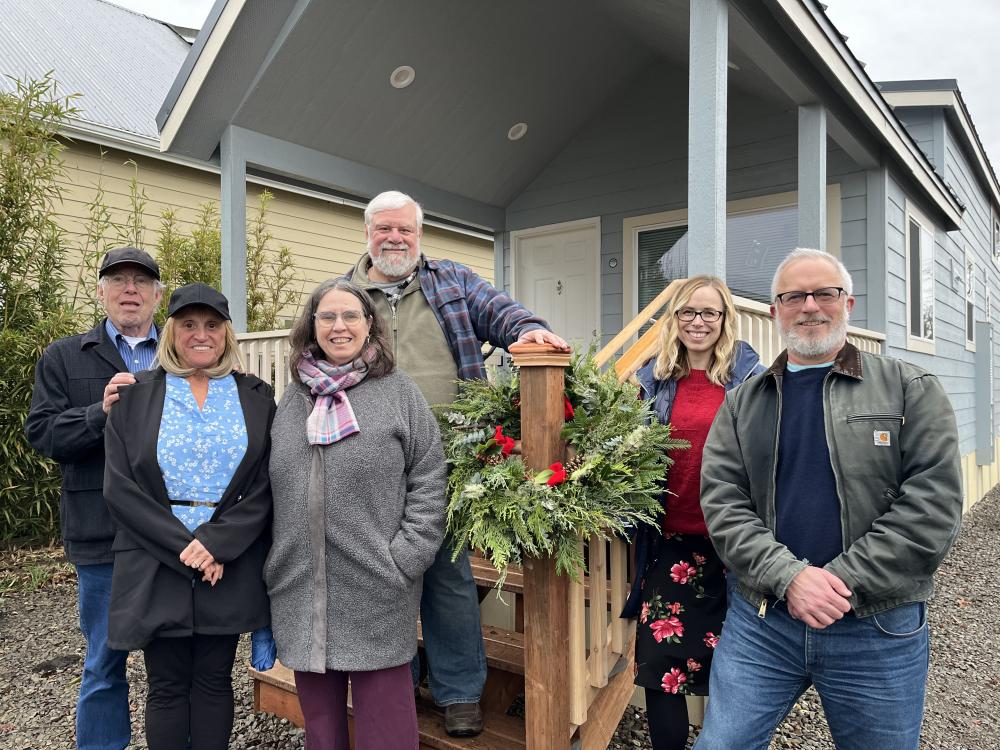
2026 City Council left to right: David Faber, Monica MickHager, Mayor Amy Howard, Libby Wennstrom, Neil Nelson, Fred Obee, Deputy Mayor Owen Rowe
City Council PARTICIPATION AND PUBLIC COMMENT
There are many ways to participate in City meetings and be more engaged with your City government. Some options include attending meetings in-person, livestreaming, joining virtually,or joining by phone over Zoom. All meeting instructions can be found on in the agenda for each meeting found on the Agendas and Minutes page. Agendas are typically posted on Thursday or Friday the week prior to the meeting.
Public in attendance and virtual participants will be able to provide up to three minutes of public comment during the meeting. Public comment will also be accepted by the Public Comment Submission form and will be included in the meeting record, provided submissions are received two hours before the start of each meeting. Please submit public comment at Public Comment Submission (fillout.com). Persons wishing to mail in public comment can do so by sending comments to City Hall at 250 Madison Street, Port Townsend, WA 98368. Please make sure "Public Comment" is clearly visible as part of the document.
Public Comment Submission (fillout.com)
Government
The City of Port Townsend is a Legislative branch of government. Councilmembers are elected officers and serve four-year terms. The Mayor and Deputy Mayor are elected by Council on the first meeting of every other year and serve two-year terms. Port Townsend utilizes a Council-Manager form of Government. The responsibilities and authority of the City Manager and the City Council are regulated by the Revised Code of Washington (RCW) Section 35A.13.
Meetings
City Council business meetings are held on the first and third Mondays of each month. If the regularly scheduled meeting falls on a City observed holiday, the meeting will be held the next night (Tuesday). City Council workshop meetings are scheduled for the second Monday of each month. All City Council meetings and workshops are held at 6:00 p.m. on the second floor of Historic City Hall, 540 Water Street, Port Townsend. City Council Chambers is the oldest continually operated Council Chambers in the State of Washington, holding Council meetings there since 1892. There is elevator access from Madison Street and Chambers has a capacity of 70 people. If attendance exceed capacity, community members will be asked to join virtually.
All City Council meetings and workshops will begin at 6:00 p.m. unless otherwise noticed. Occasionally City Council will meet in other locations, as noticed. Be sure to check the agenda of the meeting you wish to attend.
- Public Comment: All meetings are open to the public and public comment is welcomed at these meetings. You can also reach out to your elected officials with any kudos, comments, or concerns using their email address. Meeting participants will be able to provide public comment during the meeting for up to three minutes, and can send in written public comment to City Hall, or use this form: Public Comment Submission (fillout.com).
- Public Hearings: Persons wishing to testify before City Council at a Public Hearing may do so either by submitting verbal testimony during the public hearing or by submitting written comments to the City Clerk. Written comments must be received by the close of the public hearing. Hearing documents are available for review in the City Clerk’s office. To submit any written comments for a public hearing:
- Submit: Public Comment Submission (fillout.com)
- Drop off or mail: City Hall, Attn: City Clerk, 250 Madison St., Suite 2, Port Townsend, WA 98368
- General Questions: email the City Clerk: cityclerk@cityofpt.us
Office Hours/Contact
Councilmembers do not keep regular office hours at City Hall. You can contact Councilmembers by phone at (360) 379-2980, email: citycouncil@cityofpt.us, or write a letter and drop it off, or mail it to City Hall, Attn: City Council, 250 Madison Street, Port Townsend, WA 98368.
Amy arrived in Port Townsend in 2000 as a wayward youth, homeless and escaping from poverty and substance abuse. Here she found a community of legitimate weirdos that supported and raised her up. Amy has since earned a certificate of Nonprofit Executive Leadership from the Evans School of Public Policy and Governance at the University of Washington, as well as an Advanced Certificate of Municipal Leadership through the Association of Washington Cities.
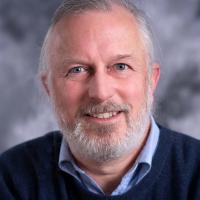
Owen Rowe brings varied background and experience to City Council, ranging from educational publishing, technical writing, and digital font development to literary translation, voice acting, and Italian language teaching. Since first moving to Port Townsend in 1997, Owen has been involved with local arts and cultural institutions including the Port Townsend Public Library, the Port Townsend Film Festival, KPTZ, Centrum, and the Jefferson County Historical Society, and has served in multiple leadership roles on the board of The Food Co-op.

David grew up in Port Townsend, graduating from Port Townsend High School in 2001. After attending the Evergreen State College, Seattle University School of Law, and University of Washington School of Law, David & his wife Laura (née Wester, also originally of Port Townsend) returned to Port Townsend in 2013 to open his law firm Faber Feinson PLLC. David was elected to the Port Townsend City Council in 2015 and was re-elected in 2024. He served as Mayor from 2022 through 2025.
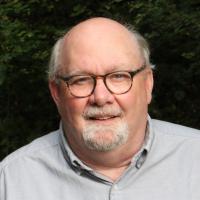
Fred has lived in Port Townsend since 2003, but he and his family have loved this place for far longer. He first started coming here in the mid-1970s when Port Townsend was a stopping place on the way to the wilds of the Olympic Peninsula. And after taking a newspaper job on Whidbey Island in the early 1980s, Port Townsend was an easy and affordable day trip for his family. Since those early visits, he has watched the town grow and prosper and he has always been impressed by the tenacity, wisdom and creative spirit of the people who live here.

In 2023 Neil and his wife, Stacey, found their forever home in Port Townsend. Coming to Port Townsend after living for over 20 years in Monroe, Washington, Neil was, and continued to be, delighted in the real sense of community we all enjoy here in Port Townsend. Neil brings over 40 years of experience in home improvement and the construction industry with him to City Council along with three years of experience on Planning Commission. Neil has an eagerness to learn and grow with fellow residents in creating an even better community for all of us.
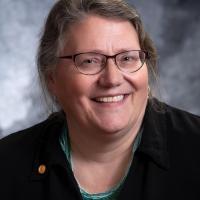
Libby Urner Wennstrom has lived in Port Townsend since 1998, raising a family here and working at a variety of local organizations, including the Wooden Boat Foundation, Farmer’s Market, Jefferson Land Trust, PT Marine Science Center, and The Leader. In her “other life” as a technical writer and documentation project manager, she’s managed large scale projects and big budgets and led cross-disciplinary teams. She’s been a longtime community volunteer for PT Public Schools, Key City Public Theatre, and the Wooden Boat Festival, and currently serves as Board President for Salish Rescue.
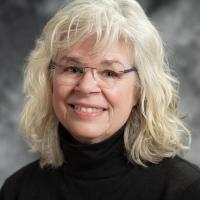
Monica has made Port Townsend her home since 1985, where she raised her kids and has owned a landscaping business for 30 years. She has had the gift of being able to be part of our community for 40 years as a parent, business owner, neighbor, friend and volunteer.